
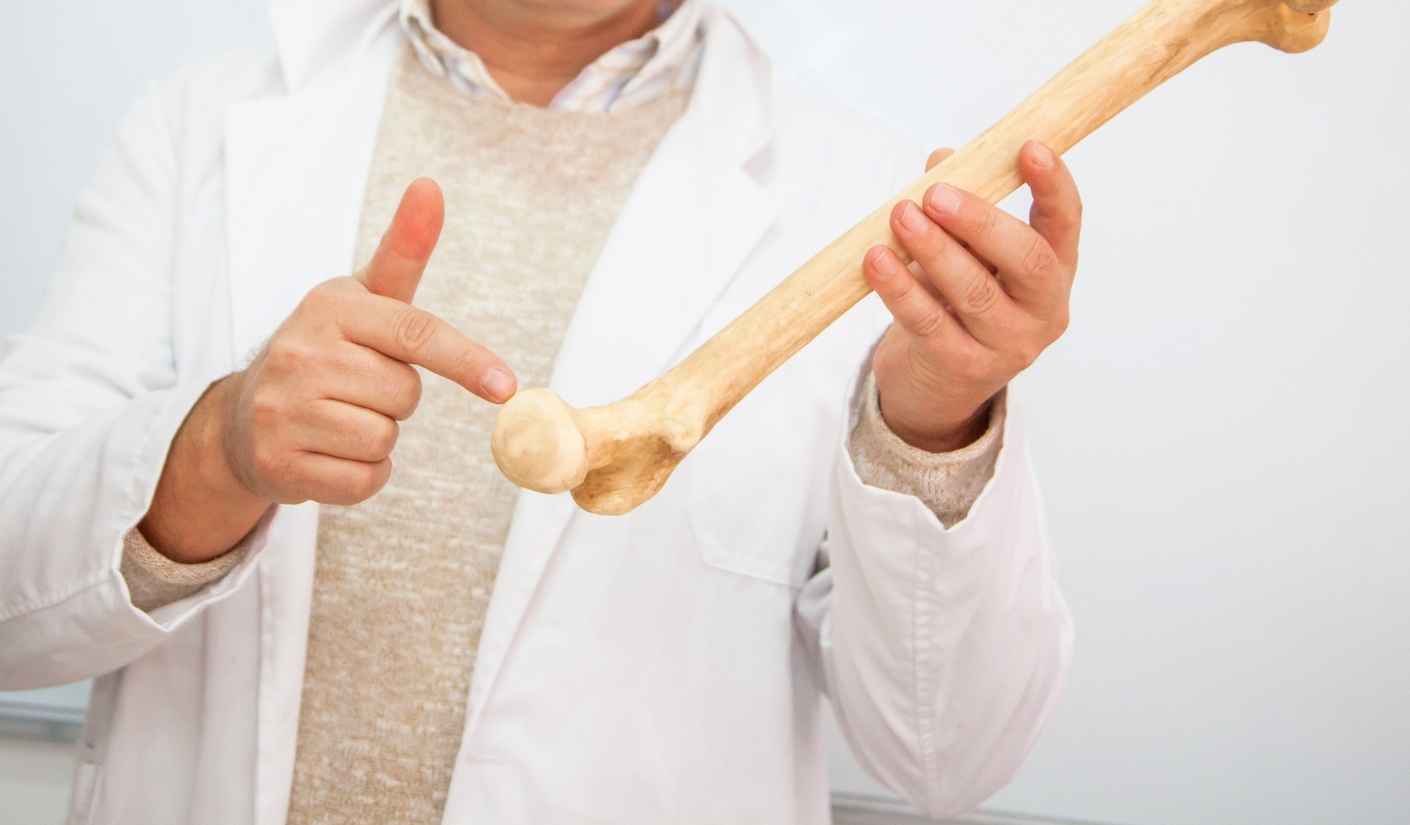
Bone Health for Men: Why Strong Bones Matter as You Age
Heart health and prostate health often get the spotlight, but bone health is just as important for healthy aging in men.
Bone loss happens gradually and often without symptoms. Many men don’t realize their bones have weakened until they experience a fracture from a minor fall. Fortunately, healthy habits can help maintain bone strength, reduce fracture risk, and support an active, independent lifestyle.
Men Get Osteoporosis, Too
Osteoporosis isn’t just a women’s disease. According to the Bone Health & Osteoporosis Foundation, about 2 million American men have osteoporosis, and another 12 million have low bone mass that puts them at increased risk.
As men age, bone density naturally declines. Hip and spine fractures can significantly affect mobility, independence, and quality of life, making prevention especially important.
Why Bone Health Matters
Strong bones provide the foundation for everyday movement. They support balance, protect vital organs, and make it easier to stay active and independent.
Healthy bones can help you:
- Reduce your risk of fractures
- Maintain strength and mobility
- Improve balance and stability
- Stay active longer and continue enjoying hobbies, travel, and time with family
Because osteoporosis develops silently, protecting your bones now is one of the best investments you can make in your future health.
Risk Factors to Know
Your risk of osteoporosis increases with age, particularly after 65, as well as factors like a family history of osteoporosis, smoking, excessive alcohol use, low testosterone, long-term corticosteroid use, inadequate calcium or vitamin D intake, physical inactivity, and certain chronic medical conditions.
If you have one or more of these risk factors, talk with your healthcare provider about your bone health and whether additional screening or preventive measures may be appropriate.
Exercise Helps Build Stronger Bones
Regular weight-bearing and resistance exercises help slow bone loss while building muscle, improving balance, and reducing the risk of falls and fractures.
According to the National Library of Medicine, activities like walking, hiking, stair climbing, strength training, weightlifting, pickleball, tennis, and Tai Chi are all excellent ways to support strong, healthy bones as you age.
Fuel Your Bones
Nutrition plays a vital role in maintaining strong, healthy bones. According to the Mayo Clinic, men ages 19-70 need 1,000 mg of calcium daily, while men over 70 should aim for 1,200 mg. Good sources of calcium include dairy products, calcium-fortified plant milks, sardines and canned salmon, tofu, and leafy green vegetables like kale, broccoli, and collard greens.
Vitamin D is equally important because it helps your body absorb calcium efficiently. While sunlight can help your body produce vitamin D, many older adults may also benefit from vitamin D-rich foods or supplements if recommended by their healthcare provider.
Protein also plays a key role in bone health by supporting both bone maintenance and muscle strength. Lean meats, fish, eggs, dairy products, beans, and legumes are excellent sources that help keep bones strong and support overall mobility as you age.
Protect Your Bones Every Day
Simple lifestyle habits can help preserve bone health:
- Stay physically active.
- Eat a balanced diet rich in calcium, vitamin D, and protein.
- Maintain a healthy weight.
- Avoid smoking.
- Limit alcohol.
- Improve balance and reduce fall hazards at home.
Talk to Your Doctor
Talk to your healthcare provider about your bone health if you’re age 65 or older, have broken a bone after a minor fall, take long-term steroid medications, have low testosterone, have a family history of osteoporosis, or have noticed height loss or a stooped posture. Based on your age and risk factors, they may recommend a bone density (DEXA) scan to assess your bone strength and determine whether treatment or lifestyle changes are needed.
Strong Bones Support Healthy Aging
Protecting your bones today helps preserve your independence tomorrow. By staying active, eating well, and discussing bone health with your healthcare provider, you can reduce your risk of osteoporosis and continue enjoying the lifestyle you love.
At Westminster Village North, we believe healthy aging starts with prevention. Through wellness programs, fitness opportunities, nutritious dining, and supportive healthcare services, we’re here to help you stay strong, active, and independent for years to come.
This article is for informational purposes only and is not intended as medical advice. Always consult your physician or another qualified healthcare provider with questions about your health or before making changes to your healthcare routine.
Ready to Learn More?
If you are interested in learning more about Westminster Village North or would like to schedule a tour of the community, please call (317) 823-6841 or fill out the form below.
"*" indicates required fields